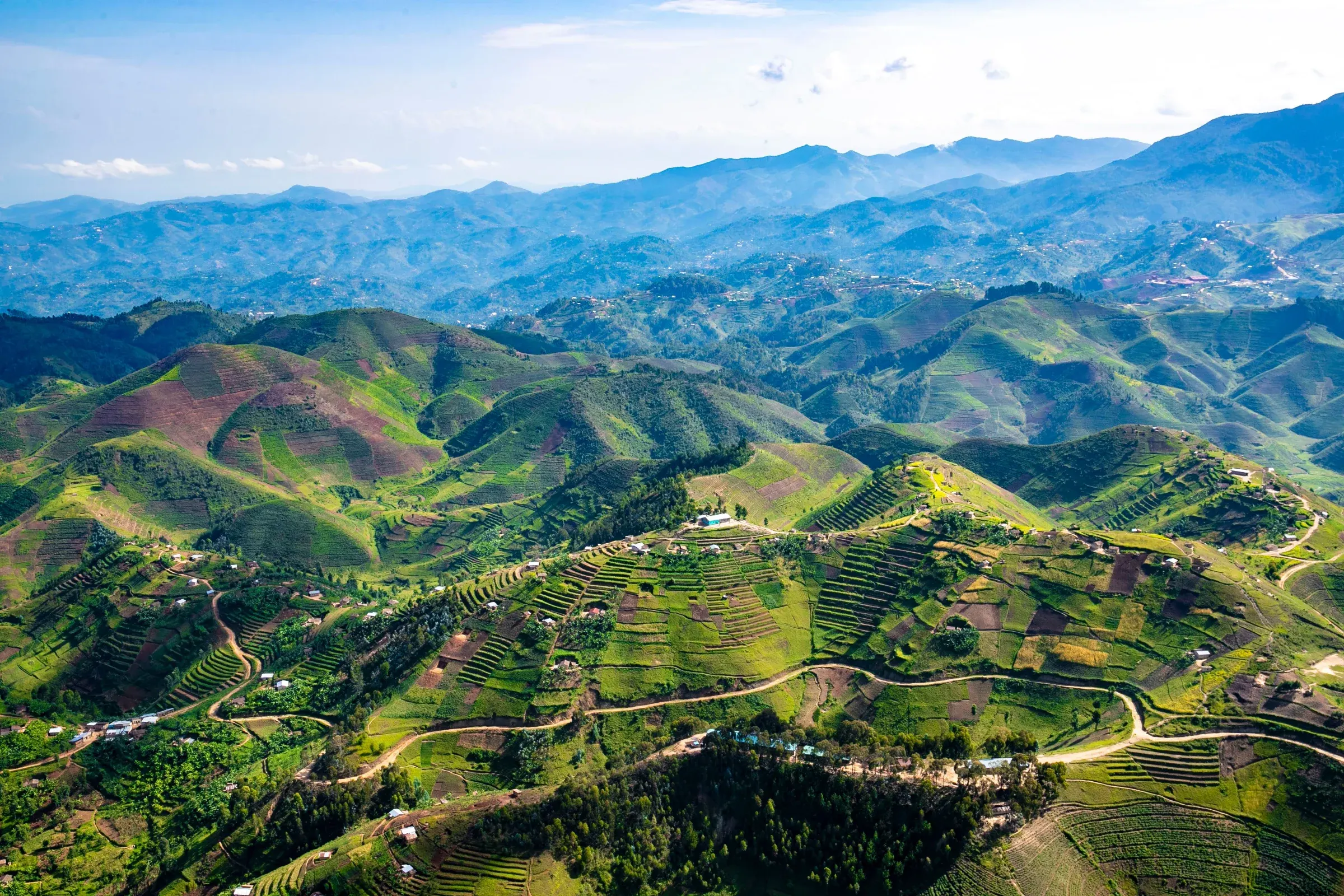
Rare foods from named African origins
Origin, carried well.
Your partner for exquisite commodity sourcing, international trade, and market expansion between Africa, Europe, and the United States.
High quality foods. Remarkable origins.
- 5 products
- 4 African origins
- 2 operating markets
01About
The bridge between origins and markets.
Serving Europe and the United States with rare, high-quality foods from Africa and beyond.
Bridgepoint International sources specialty coffee beans and produce with traceable origins for buyers who appreciate their original story. Our current focus is Africa, home to some of the most distinctive coffee, cacao, dates, avocados and macadamia nuts. From our bases in Africa, the European Union and the United States, we are ready to enter new markets.

- AfricaA continent of exquisite products
- OriginA named farm, station, cooperative
- CraftHarvest, processing, value added
- QualityGraded, cupped, tested
- JourneyProtected, traced, shipped
- WorldA table in Paris, Dubai or Washington
- 2 operating markets
- 5 signature products
- Current focus: African origins
- Ready for new markets
02Origins
African products. Certified origins.
Each product comes from the Africa where it has the deepest roots and stories, ready to be shared with world.
Coffee comes specifically from Rwanda. Cacao comes from West Africa, dates from North Africa, and avocados and macadamia nuts from East Africa. Each origin has its own climate, season and taste.
03Coffee
Rwandan coffee, shaped by lava and altitude.
Our single coffee origin: Bourbon Arabica from Rwanda's volcanic hills, offered as specialty lots in four processes.
Rwanda's coffee grows at 1800–2000 metres, where cool nights slow ripening and build sweetness and bright acidity. Rwanda’s rich volcanic soil plays a massive role in giving its coffee a highly distinct, premium flavor profile.
The combination of high altitude with volcanic terroir gives a highly specific chemical reaction inside the growing coffee plant.
Almost all of it is Arabica, mostly Bourbon varieties. The harvest runs from late February into mid-year, and each process then gives the same cherry a different cup.
- 01
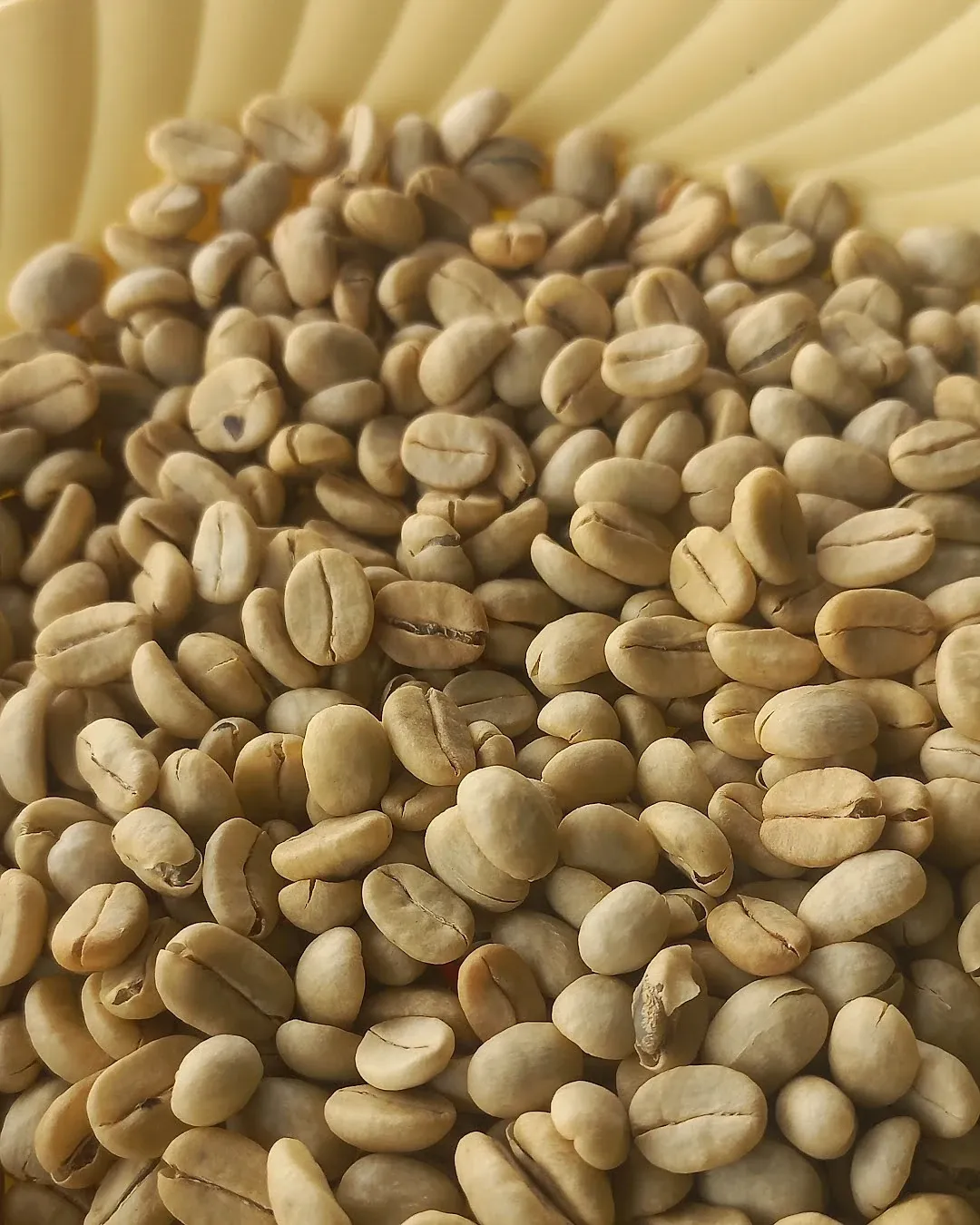
Fully washed
Cherries are pulped, fermented and washed clean before drying. The cup is clean and bright, with crisp acidity and clear floral notes.
- 02
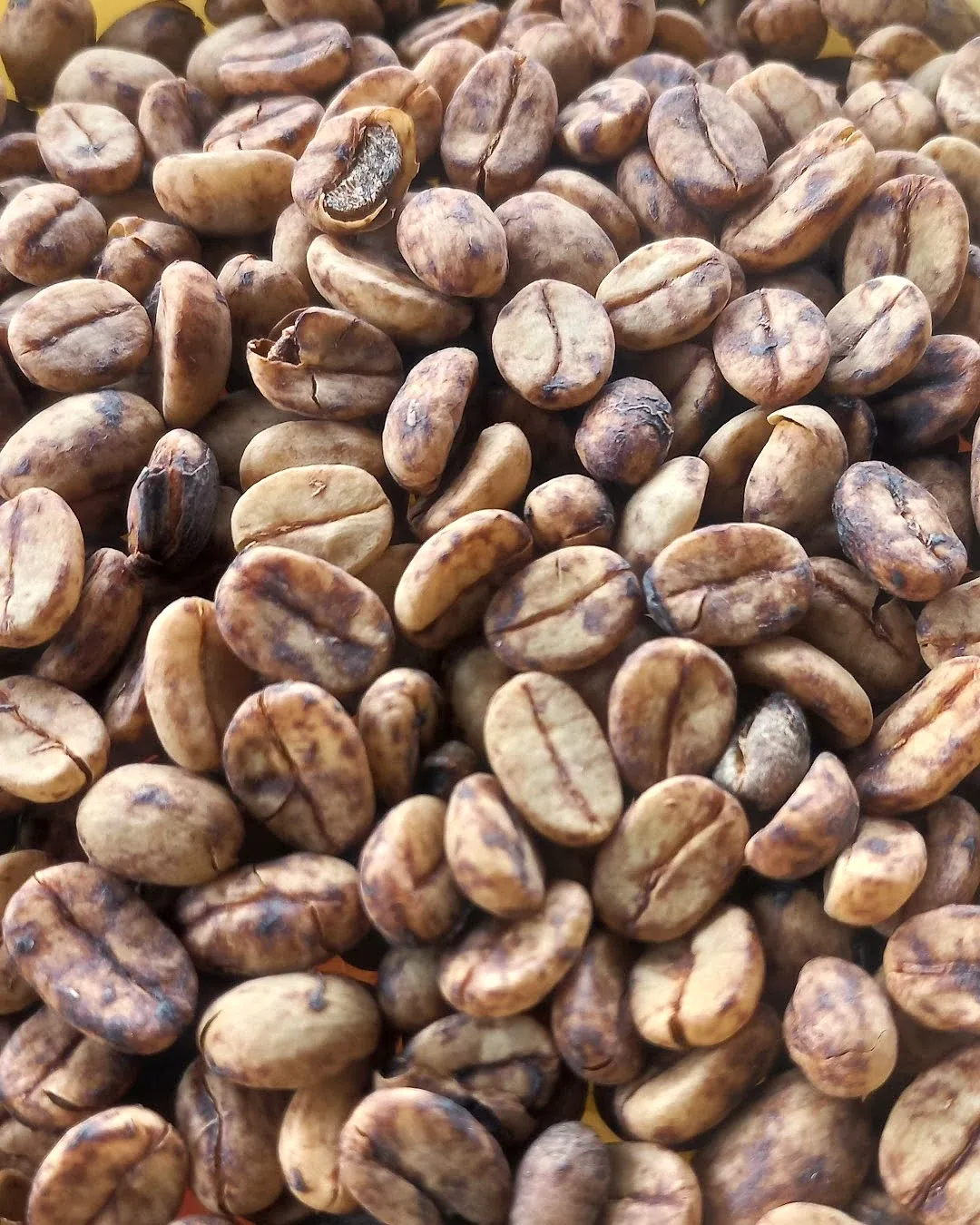
Honey
The skin is removed, but sticky fruit mucilage stays on the bean while it dries. Expect rounded sweetness and a fuller, silkier body.
- 03
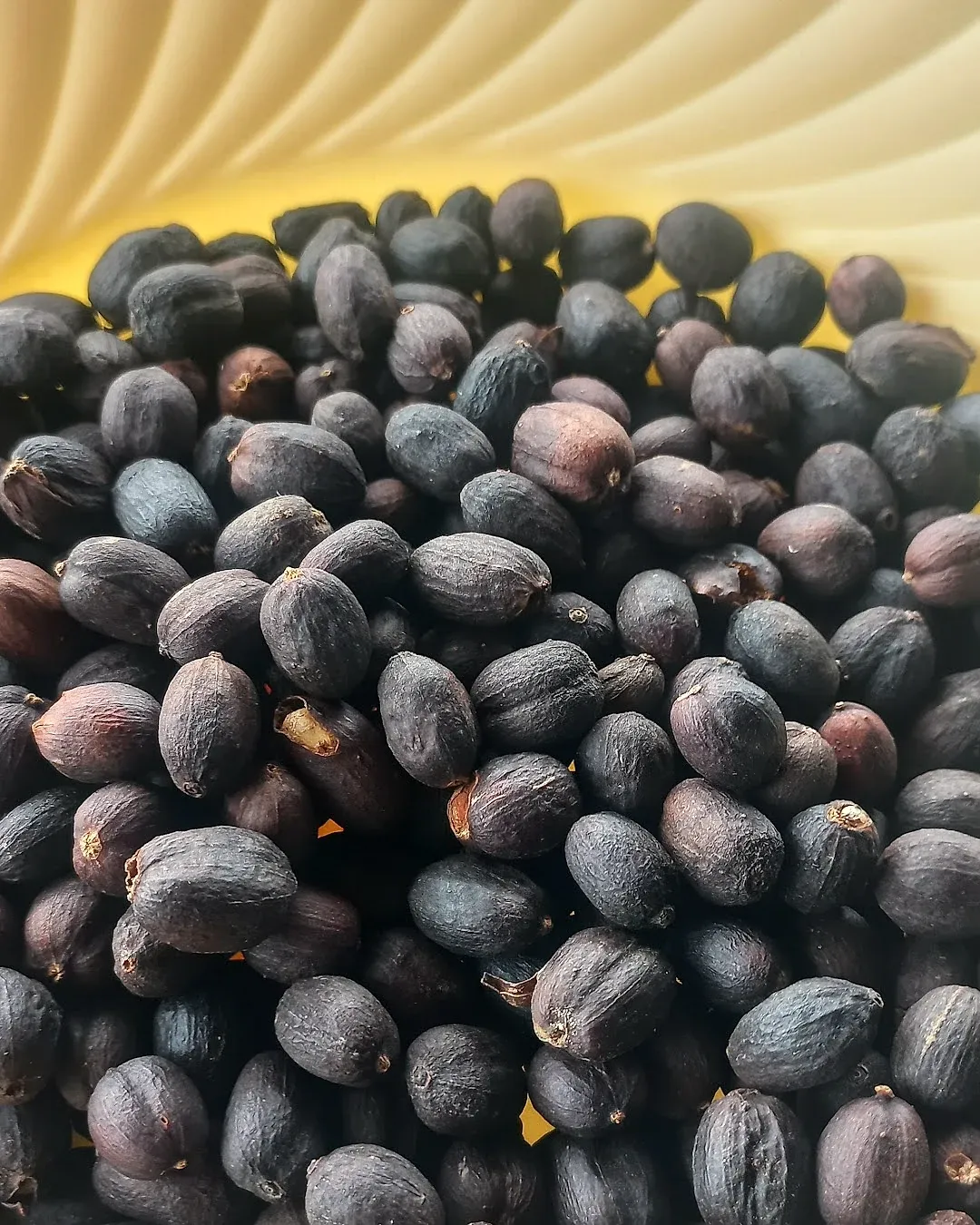
Natural
Whole cherries dry slowly in the sun before the fruit is removed. This gives a heavier body and ripe, berry-like sweetness.
- 04
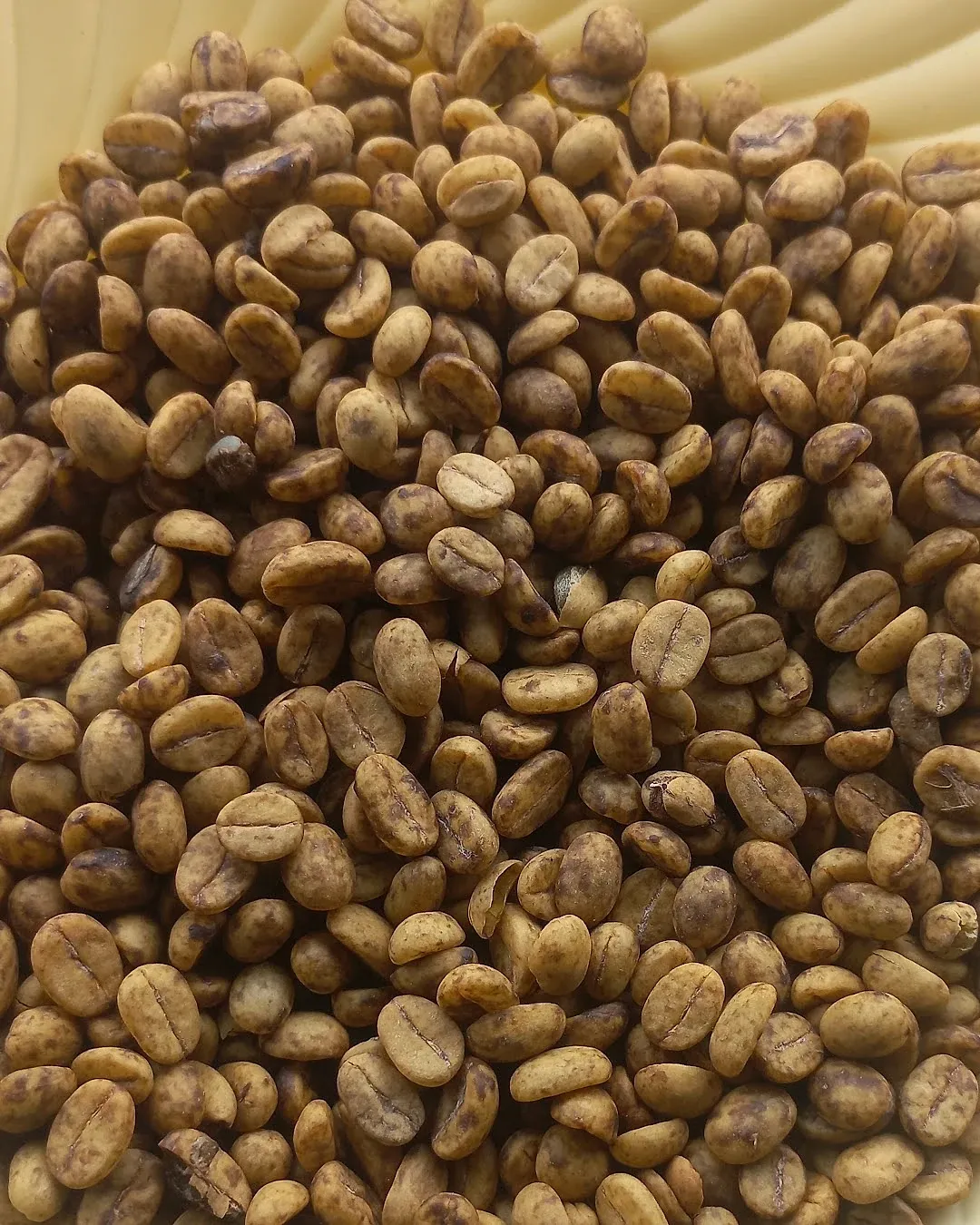
Anaerobic
Cherries ferment in sealed, oxygen-free tanks before drying. The controlled fermentation creates intense, layered flavours, often winey, spiced or tropical.


Commercial Arabica
Alongside specialty lots, we offer commercial coffee: 100% Arabica from Rwanda. It suits roasters, blenders and food-service buyers who want an everyday Arabica base that still carries the character of its origin.
- ≈ 400,000 coffee farmers (2025)
- ≈ 24,000 tones exported (2025)
- Altitude 1800–2000m
- Harvest: late February–mid-year
04Cacao
The cacao belt's heartland.
West Africa grows most of the world's cacao, with humid forest conditions and two harvests a year.
Cacao pods ripen on shaded trees across West Africa's humid forest zone. After harvest, the beans are fermented and dried, the steps that develop the flavour chocolate makers look for. The region's scale and long growing tradition place it at the centre of the global cacao trade.

- ≈ 70% of world cacao (2019/20)
- ≈ 4.7 Mt global harvest (2024/25)
- Main crop: September–March
- Mid-crop: May–August
05Dates
Sweetness from the oasis.
North Africa is home to two of the world's three largest date producers, where desert heat meets underground water.
Date palms thrive in dry heat with water at their roots. The fruit ripens in three stages: crisp khalal, soft rutab and finally tamar, the naturally dried date known worldwide. Well-known varieties such as Medjool and Deglet Nour trace their roots to the region.

- ≈ 9.8 Mt world harvest (2023)
- 2 of the top 3 producers (2023)
- Harvest: late July–November
- 3 ripening stages
06Avocado
Highland avocados, season after season.
Cool East African highlands and two rainy seasons support an avocado harvest that spans much of the year.
Hass leads the region's crop, prized for its dark, pebbled skin and creamy flesh. Green-skinned Fuerte follows later in the year and extends the season. Together they keep East African avocados available across much of the calendar, often when other origins are between harvests.

- ≈ 694,000 t, top regional producer (2025)
- Hass: ≈ 74% of the crop (2025)
- Hass season: March–August
- Fuerte season: September–November
07Macadamia
Macadamia, rooted in East Africa.
Macadamia trees have found a second home in East Africa's mild, fertile highlands.
Macadamia trees take several years to bear fruit. The round nuts drop when mature and are gathered from the ground. A very hard shell protects a creamy, buttery kernel used in confectionery, baking and snacking. East Africa now supplies a significant share of the world's crop.

- ≈ 1 in 6 world macadamias (2024)
- ≈ 58,000 t in-shell (2024)
- Harvest opens in March
- Home to a top-three producer (2025)
08Inquiry
Let's talk about your next origin.
Tell us what you are looking for. We reply to every inquiry, usually within two working days.
Whether you need product information, samples or want to discuss a partnership, send us a short note. The more detail you share about your product, volumes and market, the better we can help.
- 5 products to choose from
- Reply within 2 working days

Something went wrong and your inquiry was not sent. Please try again, or email us at sales@bridgepoint-ltd.com.
Thank you. Your inquiry has been sent, and we will be in touch soon.
09Contact
4 bases. One team.
Write to us directly.
For product questions, samples or partnerships, email or call us. We are happy to arrange a call or meeting at a time that suits you.
- Washington, DC
- RomaniaBulgaria
- Rwanda
Romania
- Phone · Rwanda
- +250 788 938 004
- Phone · US
- +1 202 384 9240
- 2 Operating markets
- Replies in English